
Providence unionized resident physicians demand hospital leadership reach a fair contract
“We can’t wait for a fair contract, and neither can our patients. Their refusal to streamline negotiations and cause delay hurts our wellbeing and the quality of care we provide."
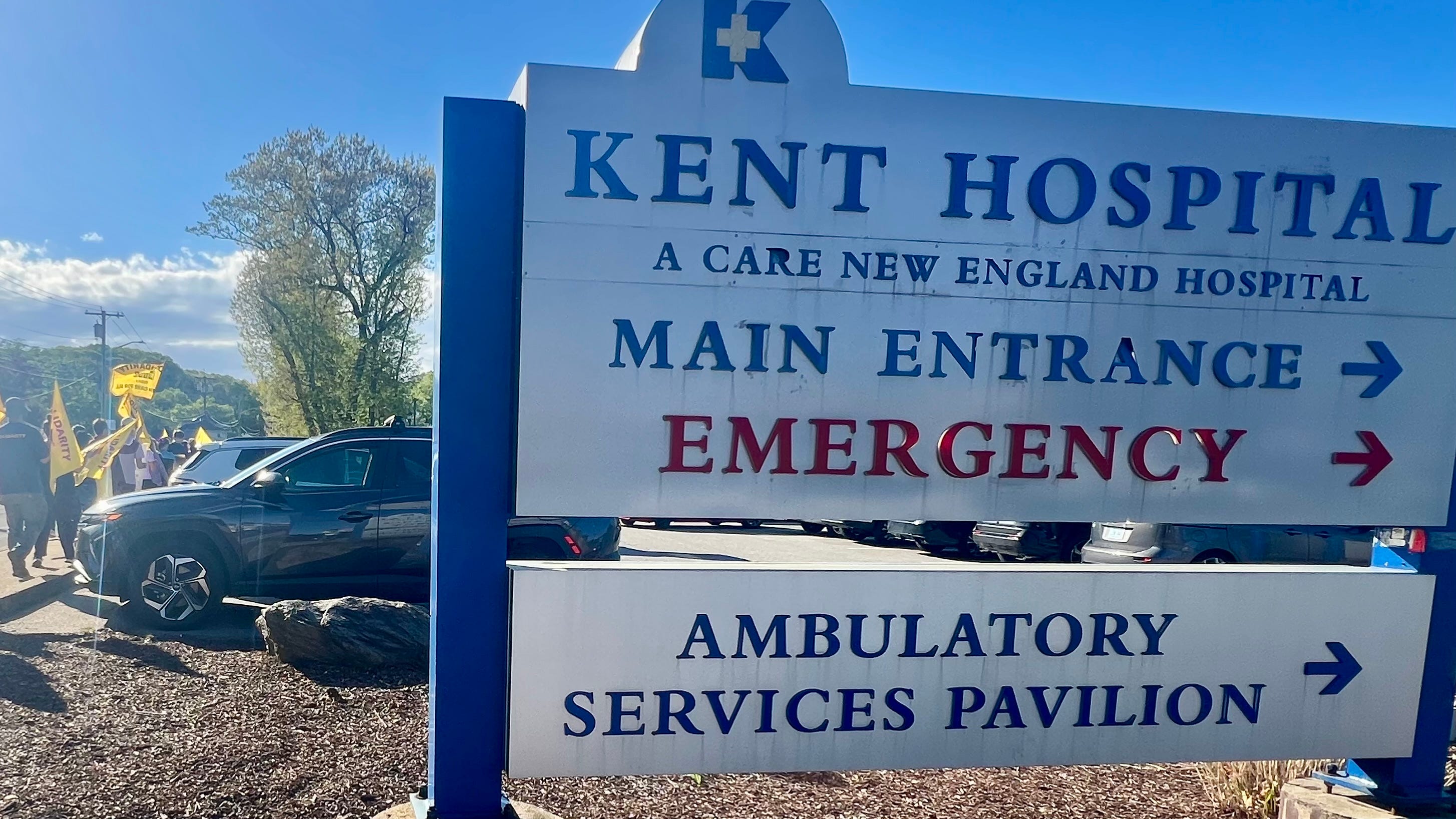
From a press release:
Residents and fellows employed by Kent, Women & Infants, Butler, and Rhode Island Hospital delivered petitions [see here and here] this week, signed by a supermajority of more than 650 resident physicians and fellows, also known as housestaff. The petitions urge hospital leaders to respect their work and commitment to providing high-quality patient care by agreeing to a fair union contract. In their petitions, residents also highlighted the need for fair and safe working conditions and greater financial stability, noting that many struggle to afford rent, healthcare, groceries, and childcare while managing significant medical school debt.
Represented by the Committee of Interns and Residents (CIR/SEIU), residents and fellows at all four hospitals have been negotiating each of their contracts since June and July. Although housestaff at each hospital have presented around 40 nearly identical non-economic proposals on meal reimbursements, parking, and other non-economic issues, management at the three hospitals within Care New England (Kent, Women & Infants, Butler) has reached a tentative agreement on fewer than 10% of them. By contrast, management at Rhode Island Hospital has concluded non-economic negotiations with the unionized physicians with 95% agreement and began economic talks last Thursday. Rhode Island Hospital is affiliated with Brown University Health.
Among the non-economic items currently in dispute with Care New England is a commitment to non-discrimination in employment. The employer has proposed that discrimination claims should not be enforceable through union grievances, despite Butler, Kent, and Women & Infants agreeing to similar non-discrimination language in their nursing union contracts.
In their December 2 petition delivered to Care New England and hospital leadership, around 80 housestaff at the three Care New England hospitals joined a bargaining session in solidarity and called on administrators to bargain each agreement simultaneously in combined sessions rather than at separate bargaining tables on separate nights. Residents say the fragmented approach is needlessly slowing negotiations and that hospital leadership is using it to stall progress toward a fair contract. There are roughly 220 residents employed at the three Care New England hospitals.
“We can’t wait for a fair contract, and neither can our patients,” said Angelica Chan, an internal medicine resident at Kent Hospital. “Care New England and hospital leaders are devaluing everyone’s time and resources by submitting identical counter proposals to three separate tables that include nearly the same bargaining teams of Care New England representatives and lawyers. Their refusal to streamline negotiations and cause delay hurts our wellbeing and the quality of care we provide. Raising standards for all residents is essential to Rhode Island retaining physicians and ensuring patients receive care from doctors who can be at their best – and that starts with our hospital leaders doing the right thing.”
Although all four unions formed around the same time in January and began negotiations in June and July, residents and fellows at Care New England hospitals are falling behind their Rhode Island Hospital colleagues – not only in progress with contract negotiations, but also in salary and other benefits.
“This really is a tale of two hospital systems,” said Andrew Pardi, a family medicine resident at Kent Hospital. “While we work in separate residency programs under different employers, we all devote ourselves wholeheartedly to ensuring Rhode Island patients receive the best care they deserve. By trying to divide us across hospitals within Care New England and between Rhode Island Hospital, Care New England and their hospital leaders are deepening the disparities residents face between the two hospital systems –including pay–ultimately leaving both residents and patients behind.”
About 40 housestaff at Rhode Island Hospital delivered their petition on December 4 to Dean Roye, the Chief Medical Officer, and a member of the management bargaining team. They are also fighting for equity and fairness within Rhode Island Hospital. While housestaff have succeeded in negotiating various non-economic proposals, the roughly 700 residents and fellows are currently the only staff at Rhode Island Hospital who do not receive employer-matched 401 (k) plans or employer-sponsored student loan forgiveness.
“Our state is facing a serious physician shortage as more doctors leave for neighboring states with stronger pay and benefits,” said Samantha Palacios, an emergency medicine resident at RIH. “With 30 percent of the population in Rhode Island on Medicaid who may lose their coverage, emergency rooms, like the one I staff, will have more patients with fewer physicians to care for them. We’re being asked to do more with less. It’s imperative that Rhode Island Hospital invest in us so we can continue to protect the health system and ensure all Rhode Islanders receive high-quality patient care – regardless of insurance status. That starts with a fair contract for residents at Rhode Island Hospital and all the hospitals within Care New England. The future of our healthcare system depends on it.”
Residents and fellows at Kent, Women & Infants, Butler, and Rhode Island Hospital are the backbone of their hospitals, often working 80-hour weeks and 24-hour shifts. Yet, they face severe financial stress and burnout that impair their ability to care for themselves and their patients. With Providence being one of the least affordable cities to rent in the nation, residents in single-income households are shelling out a majority of their paychecks - for one resident, it was 65% even in subsidized housing - on rent. Another resident’s finances were so strained after a car accident that he had to stretch every dollar to make it to his next paycheck. A fair contract is essential to ensure frontline doctors can build lives in Providence without living paycheck to paycheck.
The Committee of Interns and Residents (CIR) is the largest house staff union in the United States, a local of the Service Employees International Union (SEIU) representing over 40,000 resident physicians and fellows. Our members are dedicated to improving residency training and education, advancing patient care, and expanding healthcare access for our communities.
The hospitals would fall apart without our residents. The systems have turned them into cheap labor to cover undesirable incredibly long shifts. They deserve a fair contract. CNE, we’ve shown you that you don’t win these fights when you work against us. Save the money on lawyers and work cooperatively with those who serve our patients and can be the future of Rhode Island Healthcare so long as they are treated well! Great reporting Steve!