
Harrison Tuttle: Before the World Cup, Providence needs a compassionate plan for those experiencing homelessness
"Providence must adopt a strategy grounded in concrete protections against displacement and faithful adherence to human rights principles..."
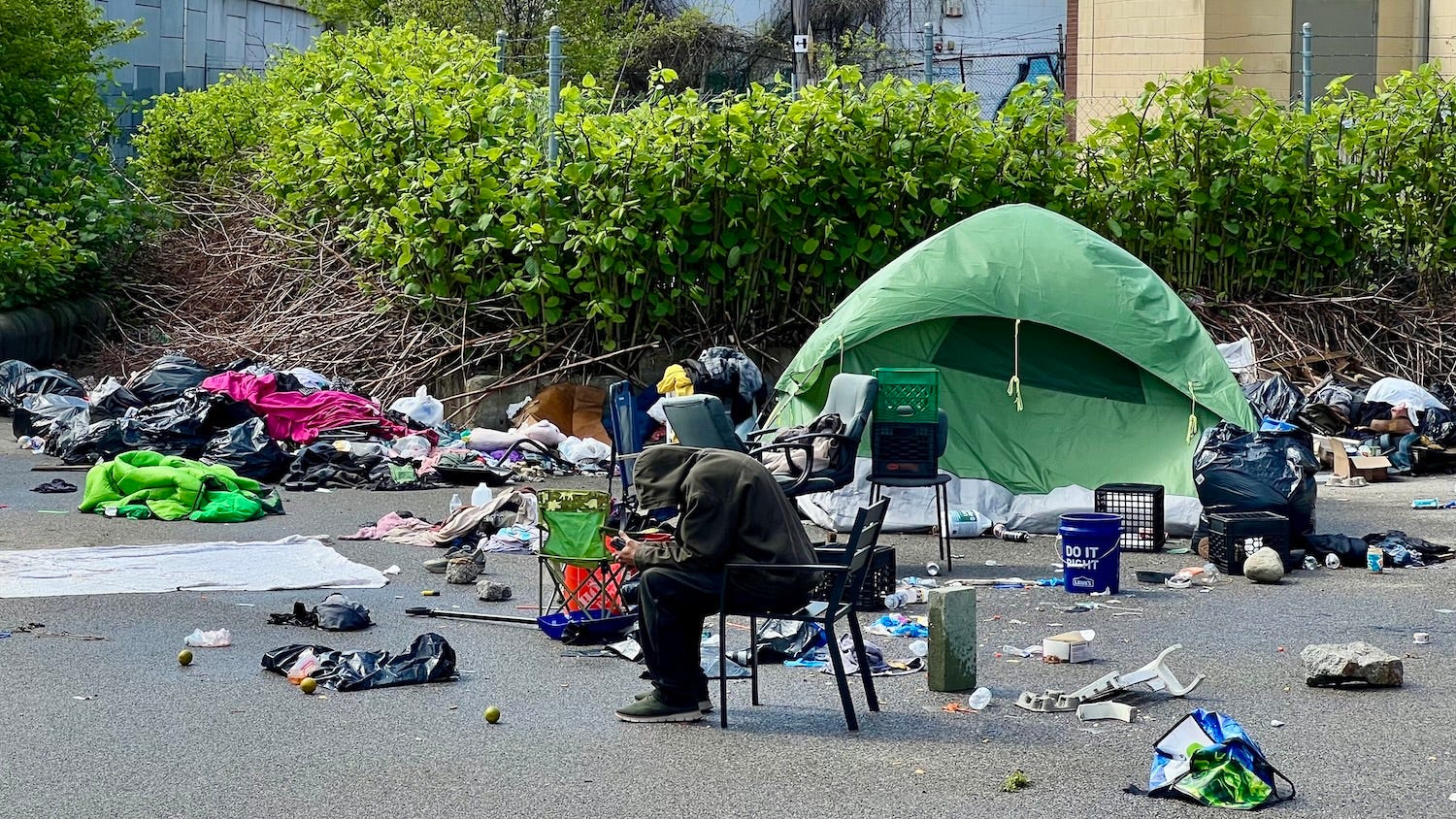
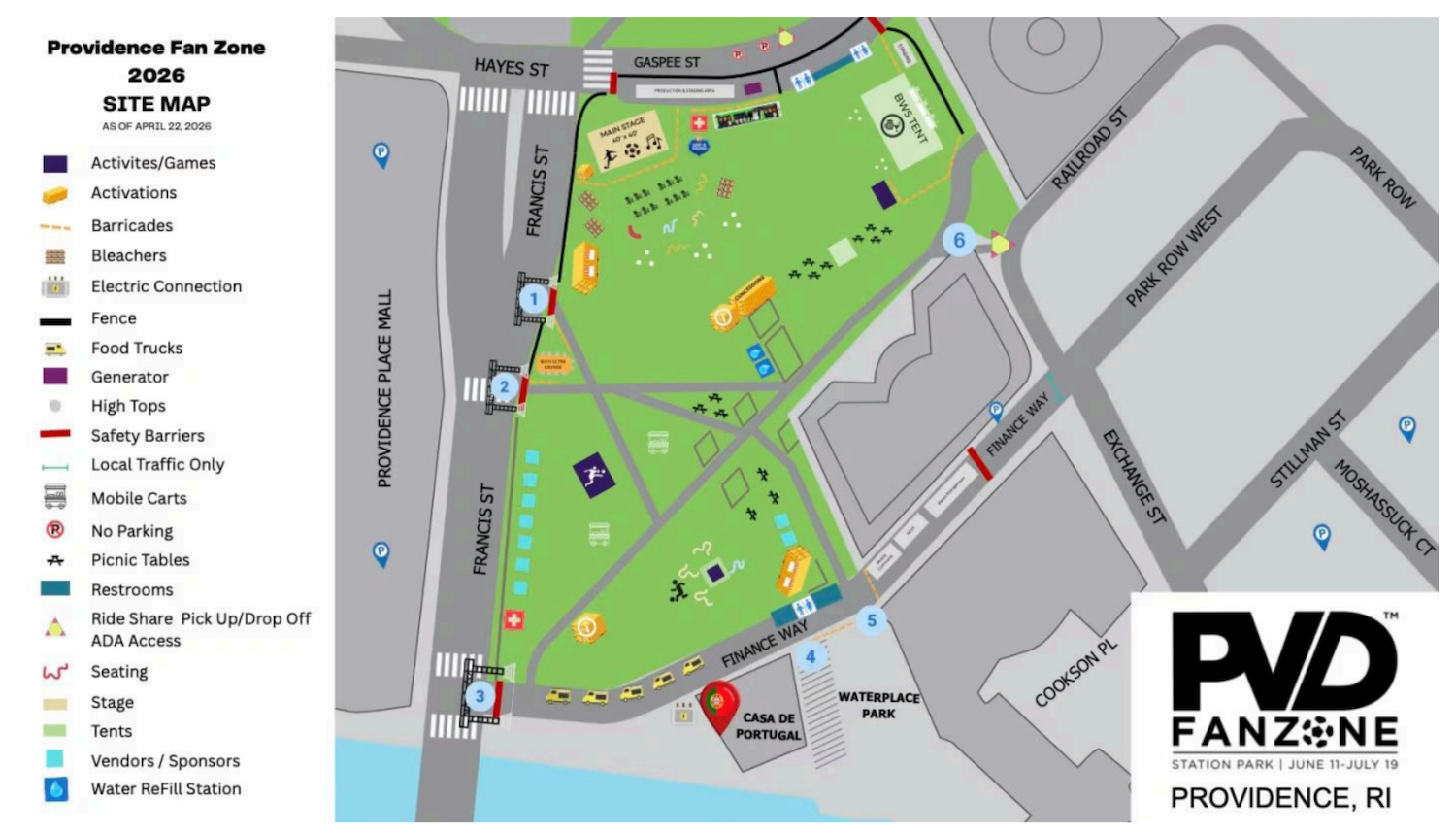
In fewer than 50 days, Providence anticipates an influx of more than 400,000 tourists for the FIFA World Cup. From a macroeconomic standpoint, municipal and state enthusiasm for capturing downstream revenue, particularly in the hospitality sector, is rational. Rhode Island is currently in a recessionary economy, characterized by persistent municipal budget deficits, constrained state fiscal capacity, and negligible real income growth among middle- and low-income residents, who constitute the demographic majority. However, this singular focus on tourism-derived fiscal relief obscures an embedded crisis that parts of our community will experience: the systematic displacement of unhoused populations from high-visibility urban corridors from June 11 through June 19. For context, Providence now ranks among the five least affordable metropolitan areas in the United States alongside Miami, New York, Los Angeles, and Boston. As of January 2025, the point-in-time count of individuals living unsheltered (i.e., on streets, in vehicles, or within encampments) reached 618, representing a 394% increase since 2020.
This exponential growth reflects multiple state failures in housing supply, wage stagnation, and the retrenchment of social safety nets, due to overreliance on federal programs. The central unanswered policy question for Providence is what specific logistical and human rights frameworks will govern the treatment of unsheltered individuals who routinely utilize downtown public spaces designated for World Cup activities? Absent a published plan, the default municipal response, intensified street sweeps, already a daily occurrence, constitutes an ineffective, punitive policing model.
While winter months afforded temporary relief through state-funded seasonal shelters, those facilities closed on April 30. The omission of summer seasonal shelter funding from state budget allocations is puzzling. Hundreds of individuals will face extreme heat with no refuge, just as unsheltered populations are projected to rise in the coming months. The Rhode Island State Council of Churches, through Operation No One Dies, provides a replicable model for the upcoming summer. Confronting the fact that
54 unhoused individuals died in Rhode Island in 2024 as a direct result of experiencing homelessness. Mathewson Street Church, Community Church of Providence, and Open Table of Christ organized a low-cost, rapid-response network of warming centers and mutual aid partnerships for over 60 days. That intervention was not permanent, but it was immediate. It saved lives. It provided stability. It worked because it prioritized dignity and humanity over institutional bureaucracy, displacement, and death.
In their absence, tent encampments emerge as the most logical, survivable, and communally organized form of shelter available to persons excluded from permanent supportive housing. On May 7, four individuals were evicted from an encampment on Eudora Street. Forced eviction and encampment sweeps function as mortality drivers. Data from the Rhode Island Department of Health indicate a statistically significant correlation between seasonal surges in policing and displacement during warmer months, coincident with peak tourism preparation, and elevated overdose rates at the state level. A multi-city analysis across 23 U.S. jurisdictions found that continual displacement and sweeps were associated with a 151% increase in overdose mortality. Among people with substance use disorders, a Massachusetts-based study identified encampment sweeps as a contributing factor in 24% of all overdose deaths. Furthermore, individuals forced to relocate from an encampment within a 30-day window exhibit 2.5 times higher odds of non-fatal overdose.
Unwarranted arrests and repeated stop-and-frisk encounters in Kennedy Plaza are escalating. The Rhode Island Public Transit Authority (RIPTA) recently acknowledged that it lacks the legal authority to issue trespass violations in the Kennedy Plaza Bus Terminal area. Nevertheless, an identified cohort of Providence Police officers, whose pattern of misconduct has been formally reported to multiple high-ranking city leaders, continues to file trespass charges. Retaliatory intimidation and action against individuals who file complaints or who are labeled “troublemakers” remain unaddressed.
Providence must adopt a strategy grounded in concrete protections against displacement and faithful adherence to human rights principles. Before the World Cup, the city should issue clear public commitments, including:
a moratorium on encampment sweeps during the event period and its immediate aftermath;
rapid expansion of low-barrier, low-threshold shelter spaces, including non-congregate options and 24-hour access; and,
an immediate end to punitive policing models that criminalize poverty, increase recidivism, and produce documented mortality.

As is way too often the case, it is actually hard to like a post that reports on such egregious and dangerous conduct by the government. But I applaud Harrison and Steve for putting the word out there on thies egeregious misconduct by the government
🫶🕊️🗽🇺🇸☕🐾🏡🎯💯💟